According to a survey published a few years ago by the Taiwan Society of Sleep Medicine, research on sleep problems among Taiwanese seniors aged 65 and older indicated that the proportion of those experiencing insomnia was as high as 50.8%. This means that, on average, one in every two people experiences difficulty falling asleep, light sleep, or waking up early and being unable to fall back asleep at least once a week.
For people over 50 who sleep less than 7 hours a day, the risk of dementia may increase by 30%.
Dr. Weng Zisheng, a neurologist, stated that according to the U.S. Centers for Disease Control and Prevention, adults should get at least 7 hours of sleep per night. However, many middle-aged and elderly people frequently experience sleep interruptions, making it difficult to achieve the recommended sleep duration.
Studies show that both insufficient and excessive sleep can impair cognitive function and increase the risk of dementia, affecting learning, thinking ability, attention, and memory. Appropriate sleep duration helps slow cognitive decline and maintain brain sharpness.
A research team at the University of Paris, France, recruited nearly 8,000 British adults aged 50 to 70 and tracked their sleep for 25 years. The results showed that compared to those who slept 7 hours a day, participants over 50 who slept less than 6 hours a day had a 30% increased risk of developing dementia (Alzheimer’s disease).
Can insomnia lead to dementia? It may be due to the inability to eliminate toxins from the brain.
Why does insomnia lead to dementia? Dr. Weng Tzu-Sheng points out that current research has found that the key reason for dementia is the inability of the brain to eliminate toxic substances (such as beta-amyloid), which accumulate daily and damage brain nerve cells, leading to neurodegeneration and problems with nerve transmission, causing memory loss, cognitive decline, and other brain damage.
A study published in Science found that when a person falls asleep and enters the deep sleep (non-REM) stage, brain neurons stop firing, and blood flow in the brain decreases, replaced by cerebrospinal fluid.
The cerebrospinal fluid flowing into the brain can clear beta-amyloid, which causes Alzheimer’s disease, and other protein waste accumulated in the brain. Dr. Weng Tzu-Sheng says that if sleep does not reach the deep sleep stage, the amyloid-beta and waste in the brain cannot be cleared, increasing the risk of dementia. Therefore, those who frequently suffer from insomnia should actively improve their sleep quality, exercise, dietary habits, and pay attention to nutrient supplementation.

International journals report that the health supplement ingredient AIE2 effectively reduces the accumulation of toxic proteins in the brain.
In recent years, scientists have discovered that Cistanche tubulosa contains an ingredient called AIE2. Studies using animal models of Alzheimer’s disease have confirmed that AIE2 helps reduce the accumulation of amyloid-beta protein (a toxic protein) in the hippocampus of the brain. A 2019 publication found that AIE2 can chelate heavy metals and other toxic substances, facilitating their excretion from the body. This research was published in the international journal Molecular and featured on the cover of that issue.
Experiments showed that the group that consumed AIE2 had significantly shorter escape times in a water maze compared to the control group, and also demonstrated improved directional learning, spatial cognition, learning and memory, and experiential learning abilities. This indicates that AIE2 can enhance learning and memory.
Brain examinations revealed that the AIE2-consuming group experienced a 37% reduction in brain oxidative damage and a 40% improvement in the oxidative defense system, demonstrating protection of brain cells from damage. Furthermore, the activity of the enzyme that breaks down neurotransmitters (acetylcholinesterase) was significantly reduced, resulting in a 40.4% decrease in neurotransmission damage.
In the brains of the experimental subjects, a 23.6% reduction in amyloid-beta protein deposition in the hippocampus was observed. Increased AIE2 dosage further enhanced the removal of Alzheimer’s plaques from the brain, contributing to a reduction in memory impairment.
Human clinical trials published in an international Alzheimer’s disease journal also showed that elderly individuals with moderate to severe Alzheimer’s disease who consumed a patented Cistanche tubulosa extract containing AIE2 experienced a slower rate of cognitive decline, including memory and language abilities. This effectively slowed the progression of the disease and helped maintain their cognitive function and independent living abilities.
AIE2 is a group of active ingredients with a specific compositional ratio, which can only be identified and confirmed through plant fingerprinting technology. It is protected by patents in multiple countries. When choosing this product, special attention should be paid to selecting one with national health food certification (indicated by the “Little Green Man” logo), and ideally one that has demonstrated anti-aging effects or received awards for brain health (such as the Brain Health Innovation Product Award). It is recommended for preventative health use in individuals over 50 years old to improve learning ability, promote a healthier and more vibrant retirement, and create a fulfilling second half of life.

Preventing dementia should start with everyday life.
Dr. Weng Zisheng reminds us that it’s better to prevent diseases than to treat them after they occur. To prevent dementia, one should develop a regular exercise habit to promote overall blood circulation; maintain a positive mood and avoid falling into depression; and participate in social activities and engage in various learning activities to stimulate the brain and maintain vitality.
In terms of diet, eat regular meals with appropriate portions, consume plenty of fresh fruits and vegetables rich in protein, unsaturated fatty acids, and fiber, and maintain a low-salt, low-calorie, and low-fat diet. Quitting smoking and alcohol is also crucial in preventing the onset of dementia.
]]>First, let’s delve into the link between juice consumption and diabetes risk. A landmark study published in a leading nutritional journal tracked the dietary habits of over 100,000 participants for more than a decade. The results revealed that daily consumption of 250 milliliters (approximately one cup) of fruit juice was associated with a 7% higher risk of developing type 2 diabetes compared to those who rarely drank juice. What’s even more alarming is the impact of sugar-added juices—commercially produced juices that often contain high-fructose corn syrup or added sugars to enhance flavor. For these products, the associated risk of diabetes skyrocketed to 28%. This stark contrast highlights that the issue lies not just in the natural sugars of the fruit, but also in the added sweeteners and the way juice is processed. Such beverages can cause rapid spikes in blood glucose levels, straining the body’s insulin response over time and increasing the likelihood of insulin resistance, a key precursor to type 2 diabetes.
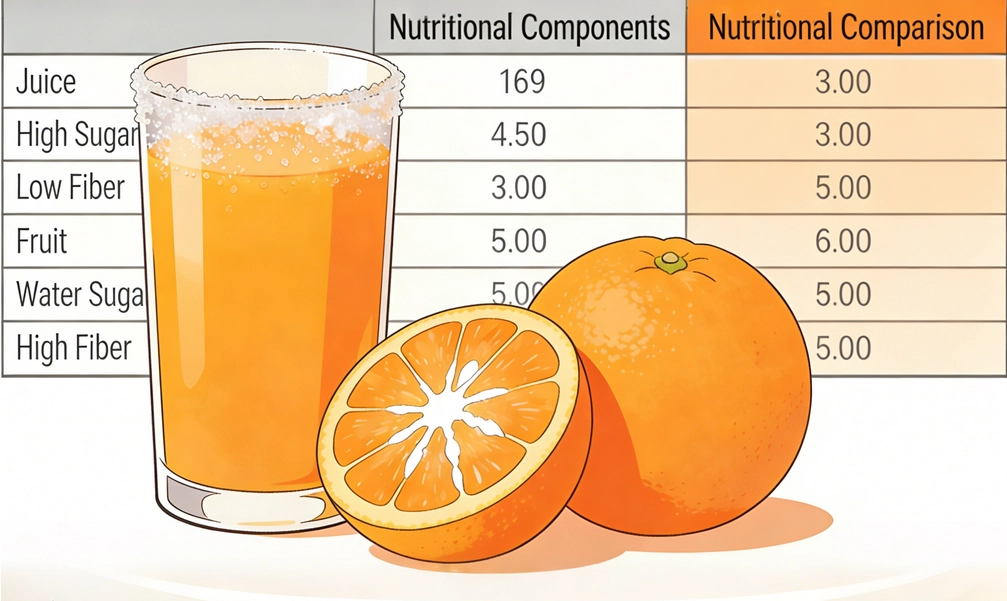
In striking contrast, whole fruit has been consistently linked to a reduced risk of diabetes, thanks largely to its unique nutritional composition. The same aforementioned study found that replacing just three servings of juice with whole fruit each week was associated with a 7% lower risk of diabetes. The primary driver of this protective effect is dietary fiber—a component that is largely removed during the juicing process. Whole fruits are rich in both soluble and insoluble fiber: soluble fiber forms a gel-like substance in the gut, slowing down the absorption of glucose and preventing sudden blood sugar surges, while insoluble fiber promotes digestive health and helps maintain a feeling of fullness. Additionally, whole fruit contains a balanced mix of vitamins, minerals, and antioxidants that work synergistically to support metabolic health. For example, berries are packed with anthocyanins, which have been shown to improve insulin sensitivity, while apples contain quercetin, a compound that may help regulate blood sugar levels. When we consume whole fruit, we also tend to eat less overall sugar compared to drinking juice, as a single cup of juice often requires two to three whole fruits to make—meaning we’re ingesting the sugar of multiple fruits without the fiber to mitigate its effects.

Yet, for many people, fruit juice remains a convenient and enjoyable beverage—especially for those with busy lifestyles or difficulty chewing whole fruit (such as older adults or individuals with dental issues). The good news is that the research offers a middle ground for juice lovers: consuming fresh, homemade fruit juice without any added sugars does not appear to increase diabetes risk. Unlike commercial juices, fresh juice retains most of the vitamins, minerals, and some of the soluble fiber from the original fruit (though insoluble fiber is still lost during straining). Moreover, homemade juice allows for full control over ingredients, ensuring no extra sugars or preservatives are added. However, it’s important to note that even fresh juice should be consumed in moderation. Experts recommend limiting fresh juice intake to no more than 150 milliliters per day for individuals with diabetes, as it still contains concentrated natural sugars that can affect blood sugar if overconsumed. Additionally, pairing fresh juice with a source of protein or healthy fat—such as a handful of nuts or a glass of unsweetened yogurt—can further slow down sugar absorption and stabilize blood glucose levels.
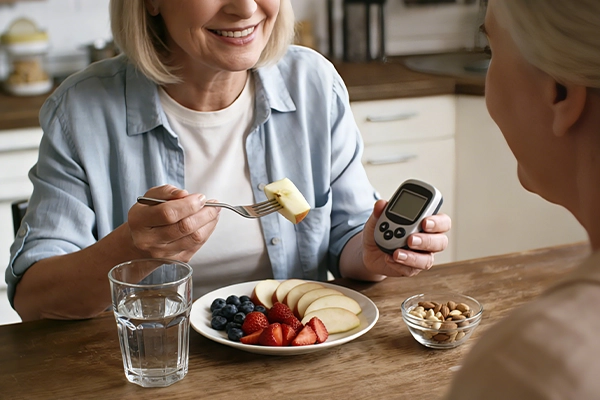
To sum up, the evidence is clear: when it comes to diabetes prevention and management, whole fruit is far superior to fruit juice. The dietary fiber and balanced nutrient profile of whole fruit provide crucial support for blood sugar control and metabolic health, while juice—particularly sugar-added varieties—poses a significant risk due to its concentrated sugars and lack of fiber. For those who simply cannot give up juice, fresh, unsweetened homemade juice is the safest option, but it should be consumed sparingly and paired with other nutrient-dense foods to minimize its impact on blood sugar. Ultimately, making informed dietary choices is not about restricting enjoyment, but about finding balance. By prioritizing whole fruits in our diets and being mindful of juice consumption, we can take proactive steps to protect our metabolic health and reduce the risk of diabetes-related complications. It’s also worth consulting with a registered dietitian or healthcare provider to tailor these guidelines to individual needs, as factors like age, activity level, and existing health conditions can influence optimal dietary recommendations.
]]>Generally, higher breast tissue density, indicating more fibrous and glandular tissue and less fatty tissue, increases the risk of breast cancer. This is known as dense breasts or mammographically dense breasts.
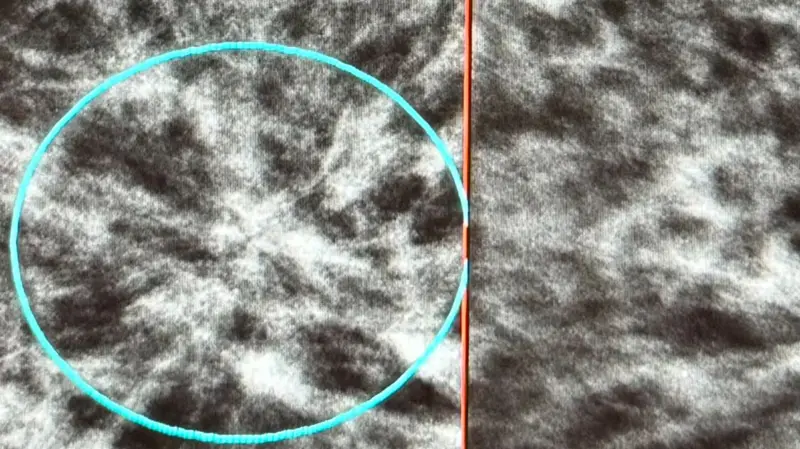
In mammograms, dense tissue appears white, but tumors also appear white, making them difficult to distinguish.
This new imaging technology, developed by the technology company Kromek in collaboration with Newcastle Hospitals, Newcastle University, and University College London (UCL), uses a radioactive tracer to “make cancer cells glow,” significantly improving detection accuracy.
The project will enter clinical trials after testing is complete.
Dr. Nellis Forrest, a consultant breast radiologist at Newcastle Hospitals, said: “Approximately 40% of women have dense breast tissue, but this is only discovered when they undergo a mammogram.”
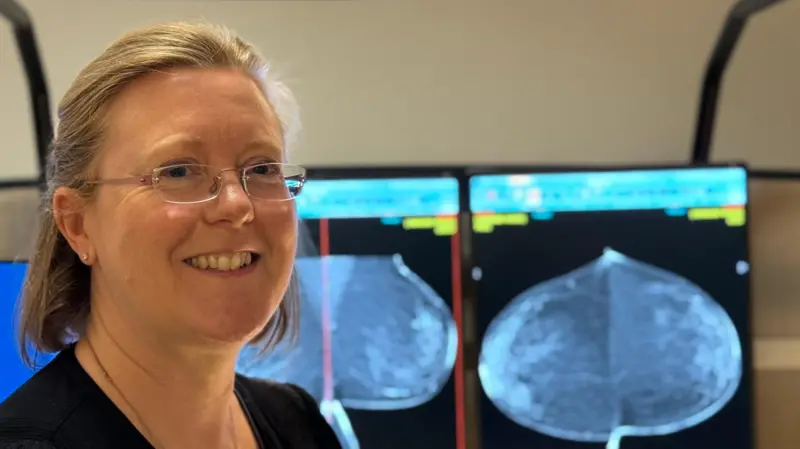
She stated that this usually doesn’t require excessive worry, as mammography screening is generally effective, but “women with dense breast tissue have a slightly increased risk of developing breast cancer.”
She explained that when breast tissue is very dense, it appears white on a mammogram, “so we have to find a single white spot among a large amount of tissue that is all potentially white.”
This situation is often described as “looking for a white cloud in a cloudy sky.”
Forrest noted that improving techniques for detecting cancer in dense breasts is “extremely important,” and she is very pleased with the progress of this new prototype scanning technology, which has been underway since 2022.
She said, “We hope that this technology will ultimately save more lives lost to breast cancer.”

Aly Murphy, a 65-year-old breast cancer patient and nurse who participated in the study, described the experience as “exhilarating.”
She said she only discovered she had dense breast tissue by chance and believes her cancer may have been missed in previous screenings.
She described the research project as “pushing the boundaries of existing screening technology, which is exactly what we need to be doing right now.”
“I think it’s incredibly exciting. I think it’s a revolutionary breakthrough.”
Cromek, a technology company based in Sedgefield, County Durham, currently holds a contract with the UK Ministry of Defence to supply nuclear radiation detectors.
CEO Arnab Basu said he hopes the machine the company is developing will help detect difficult-to-diagnose cases of breast cancer.
He said: “This is very similar to how nuclear medicine is used in other imaging diagnostics. Patients are injected with a tracer, which then accumulates in the cancer cells.”
He added that this technology allows lasers to focus on the cancer cells, causing them to “literally light up.”

Currently, prototype testing is underway at Newcastle Hospital.
The local Northern Medical Physics and Clinical Engineering team is overseeing the device’s operation; the HealthTech Research Centre in Diagnostic and Technology Evaluation, part of the National Institute for Health and Care Research (NIHR), is also involved.
Professor Kris Thielemans, Professor of Medical Imaging Physics at University College London, said that the collaboration between the teams has “made excellent progress” and believes the technology “has considerable potential for applications” beyond breast imaging.
The project has received £2.5 million in funding from Innovate UK.
Once the current prototype testing phase is complete, the technology will move into clinical trials.

Sally Kum of Breast Cancer Now, a breast cancer care charity, said the organization “fully supports ongoing research into breast imaging technologies, particularly those that improve cancer detection in dense breasts.”
She noted that if the UK National Screening Committee finds clear evidence to support assessing breast density in a specific way and offering alternative imaging methods to women with dense breasts, “we will actively push for these changes to be implemented across the UK as soon as possible.”
However, she added that the charity still encourages all eligible women to participate in mammogram screenings when invited.
The UK Department for Health and Social Care said the government is about to publish a plan to “comprehensively tackle cancer,” including improving cancer screening and diagnosis.
A spokesperson stated: “Research is currently underway into the use of additional tests for women with higher breast density within the NHS breast cancer screening program. The UK National Screening Committee will review the evidence once new research becomes available.”
]]>Warning! Poor sleep increases the risk of dementia; AIE2 helps clear brain toxins.
]]>Warning! Poor sleep increases the risk of dementia; AIE2 helps clear brain toxins.
]]>Warning! Poor sleep increases the risk of dementia; AIE2 helps clear brain toxins.
]]>Warning! Poor sleep increases the risk of dementia; AIE2 helps clear brain toxins.
]]>Warning! Poor sleep increases the risk of dementia; AIE2 helps clear brain toxins.
]]>Warning! Poor sleep increases the risk of dementia; AIE2 helps clear brain toxins.
]]>